
CNC Coolant Filtration Systems & Metal Cutting Filtration
High-volume, precision machining generates fine metallic particles and swarf that contaminate cutting fluids fast.
CNC coolant filtration systems easily remove them, returning clean fluid to the machine at the correct pressure and flow.
They also recover the expensive fluid for reuse—proven in 29,573 installations across 37+ countries.
Whether you run a single CNC machine or a multi-machine production floor, you'll get the perfectly sized and configured filtration systems for CNC machines to match your specific operation.
Engine blocks, heads, camshafts, crankshafts, gears, bearings, axles, brake components, carbide tooling, transmission systems, fill stands—if your process generates contaminated coolant, there's a filtration solution for it.
Call now at 248-427-9090 or contact us online to discuss your coolant filtration issues.


CNC Machining Processes Our Filtration Systems Handle
CNC machining cutting fluid filtration requirements vary by process.
Each operation generates a different type and volume of contamination, and the filtration approach needs to match what the machine is actually producing.
Your CNC machining process determines the filtration system. Applications include:
-
Broaching
-
Counterboring
-
Countersinking
-
Drilling
-
Grinding
-
Hobbing
-
Knurling
-
Milling
-
Routing
-
Tapping
-
Threading
-
Turning
Grinding and honing operations generate the finest particulate contamination and place the highest demands on filtration.
Continuous-running filtration systems for these processes deliver clean fluid at consistent micron levels throughout the production cycle, protecting surface finish and dimensional accuracy.
Filtration systems for carbide tool manufacturing require particularly fine filtration to protect tooling investments and maintain the surface quality required for cutting tool performance.
And soon, you’ll get CNC coolant filtration equipment configured specifically for these operations.
CNC Coolant Filtration System Configurations
Not every facility benefits from the same configuration. Filtra Systems has many coolant filtration equipment layouts to match your floor space, machine count and production model.
The sections below outline the four main system types. Each links to a dedicated page with product details, technical specifications and available options.
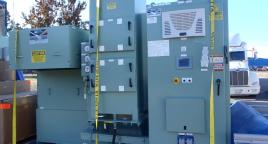
Central Filtration Systems
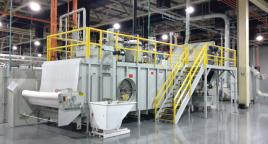
A central filtration system for CNC machines is a remotely located filter that provides clean coolant at the desired pressure and flow to multiple machines simultaneously.
This configuration works best for facilities where multiple CNC machines run the same or compatible cutting fluids.
Another benefit is that centralized filtration reduces maintenance demands compared to managing individual units at each machine.
Central coolant filtration systems can be positioned away from the production floor, using fluid transport equipment to move dirty fluid from each machine to the filter and return clean fluid.
This approach frees up floor space around each machine and allows for larger filter capacity than individual units can provide.
Individual Machine Coolant Filtration
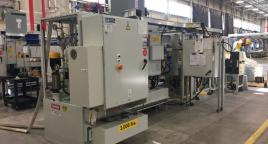
Individual machine coolant filtration places a dedicated filtration unit directly at each CNC machine.
This configuration gives production floors more flexibility when machines run different cutting fluids, when machines are frequently relocated, or when operations involve diverse part programs requiring different lubricants.
Individual machine CNC machine filters offer many of the same filtration technologies available in larger central systems, including paper bed, magnetic, and vacuum filtration, scaled to the flow rate and contamination load of a single machine.
This is a practical use for job shops and facilities with varied production schedules.
Fluid Transportation
When CNC coolant filtration equipment is located away from the point of cutting, fluid transportation equipment moves dirty cutting fluid from the machine to the filtration system and returns clean fluid at the correct pressure and flow.
This includes pump stations, piping systems and high-cycle valve distribution setups that keep the coolant loop moving efficiently without operator intervention.
In fact, equipment is frequently paired with central filtration systems to complete a remote-filter configuration and can be scaled to move fluid across significant distances within a facility.
Material Handling
Not all CNC operations are wet cutting processes, but every machining floor generates chips that need to be managed safely.
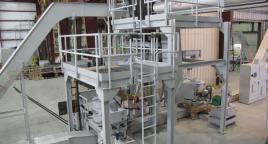
Chip dumping stations provide a central collection point where operators can consolidate chips from multiple machine bins into larger gondolas or a full load-out system.
This improves chip recycling efficiency and keeps the production floor organized and safe.
What Metalworking Fluid Filtration Does for Your Operation
Metalworking fluid filtration directly affects machine uptime, tool life, part quality and operating costs.
When cutting fluid carries fine particles back into the machine, those particles accelerate wear on spindle bearings, pump seals and tooling. They also negatively affect the surface finish of finished parts, increasing scrap and rework rates. Poorly designed systems compound these problems - see our breakdown of common coolant filtration mistakes.
Clean coolant delivered at consistent pressure and flow extends tool life by maintaining the temperature control and lubrication the cutting zone requires. Fewer tool replacements reduce consumable costs and unplanned downtime.
Recovering and recirculating cutting fluid instead of disposing of contaminated sump fluid reduces fluid consumption and waste disposal costs.
This is especially relevant in grinding and honing where the fluid itself represents a significant operating expense.
Machine tool coolant filtration also reduces the frequency of sump cleaning. Sumps that receive filtered coolant accumulate contamination more slowly, extending the interval between cleanups and the labor cost associated with them.
The practical benefits of a properly configured CNC machining cutting fluid filtration system include:
-
Less machine downtime
-
Faster cycle times
-
Extended machine and tooling life
-
Reduced sump cleaning frequency
-
Lower tool replacement costs
-
Better part surface quality
-
Cutting fluid recovery and reuse
Talk to a Filtration Engineer at Filtra Systems
When you are evaluating CNC coolant filtration systems or need to replace aging metalworking fluid filtration equipment, you’ll get a dedicated engineering team to assess your process and recommend the right configuration.
Systems are sized in direct coordination with CNC equipment manufacturers—by flow rate, contamination type, floor space, and budget.
Call 248-427-9090 or submit a contact form and we will respond promptly.
Frequently Asked Questions
The required filtration micron level depends on your machining process and the tolerances on your finished parts.
Grinding operations typically require filtration in the 5 to 10 micron range to prevent surface finish defects.
Milling and turning operations with larger chip loads may work effectively at 25 to 50 microns.
When you are running carbide tooling or producing parts with tight dimensional tolerances, finer filtration will protect both the tooling and the finished surface. Dedicated filtration engineers evaluate your specific process to recommend the right micron rating rather than applying a generic standard.
Not in all cases. A central coolant filtration system is most effective when the machines it serves use compatible cutting fluids.
Mixing incompatible fluids in a shared sump or central system can cause emulsion breakdown, reduce lubrication effectiveness and create disposal complications.
When your facility runs machines with different fluid requirements, individual machine coolant filtration or zoned central systems with separate loops are more practical configurations.
Common indicators of undersized or inadequate CNC coolant filtration equipment include frequent tool breakage or accelerated tool wear, surface finish defects on finished parts.
Also, sump odor caused by bacterial growth in contaminated fluid, elevated machine bearing temperatures, and short intervals between sump cleanouts.
When your current system requires frequent filter changes or cannot keep up with the contamination load your process generates, it is likely undersized for your flow rate or contamination type.
Paper bed filtration uses a disposable filter media belt to capture fine particles as coolant flows through it.
It is effective for a wide range of particle sizes and works across most cutting fluid types.
Magnetic filtration uses permanent or electromagnetic separators to capture ferrous metallic particles from the fluid.
Magnetic filtration works best as a pre-filter ahead of paper bed or vacuum filtration to extend filter media life.
Central coolant filtration systems often combine both methods—matched to your operation's contamination profile.
Cutting fluid can be transported long distances using the right pump selection, pipe sizing, and elevation calculations.
Facilities that locate filtration equipment in basement levels, mezzanines or adjacent rooms routinely run fluid over distances of 50 to several hundred feet.
The key variables are the viscosity of the cutting fluid, the pipe diameter, elevation changes, and the pump capacity required to maintain flow and return pressure to the machine at specification.
Your fluid transportation equipment will be configured to those exact parameters—not a standard pump and piping package.
Contaminated coolant is a primary driver of unplanned maintenance.
Fine particles and metallic fines that circulate through the machine wear spindle bearings, clog coolant nozzles and accelerate cutting tool degradation.
A properly sized CNC coolant filtration system removes those contaminants before they reach critical machine components, which extends the interval between service events and reduces unplanned production stops.
Not sure what type of filtration you need or have questions about your equipment?
Let our team of experienced applications engineers review your process to evaluate your needs and make recommendations that will be best for your applications, facility and business goals.

Explore Related Featured Projects
Below you will find some projects that have benefited from our technology.
